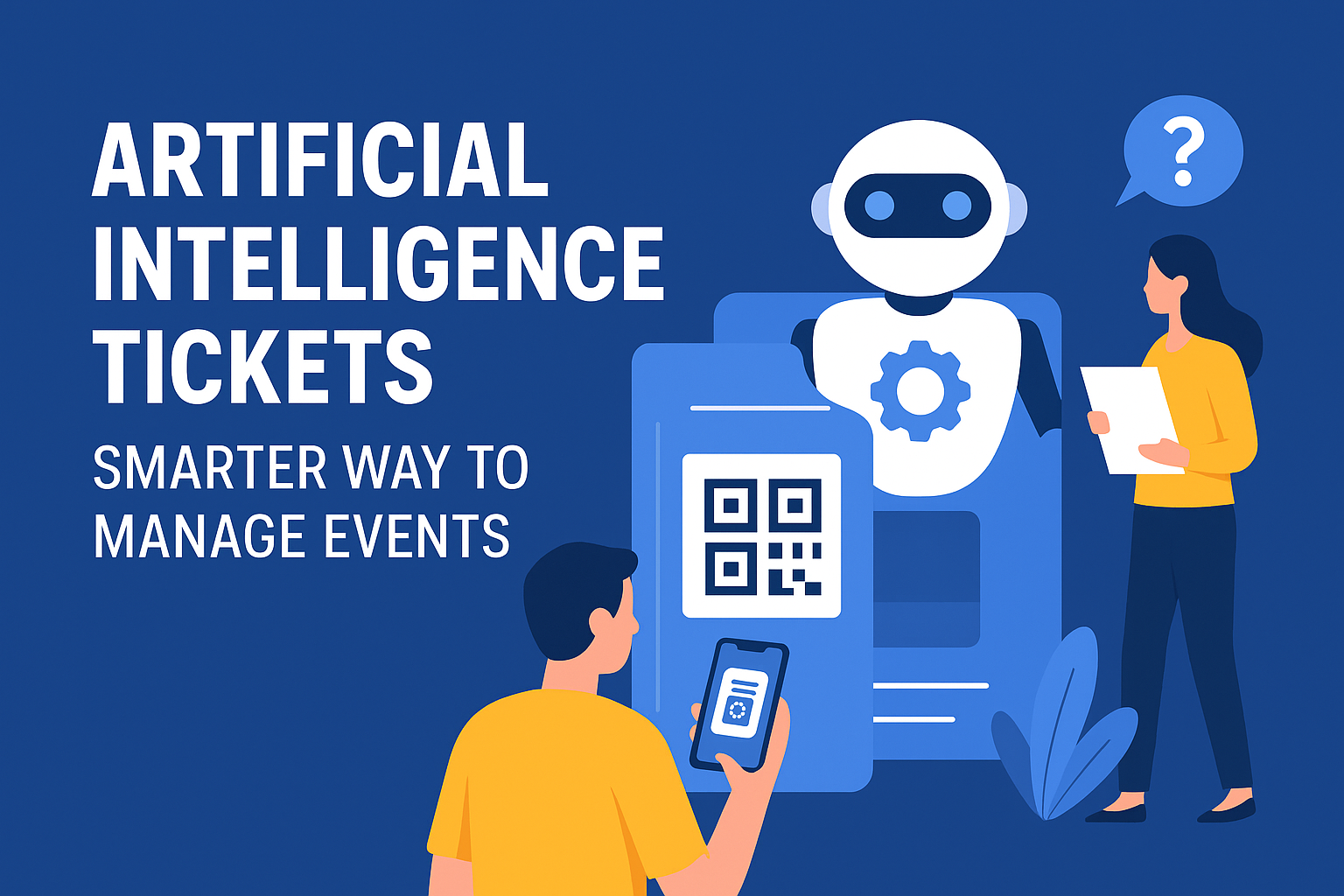
In the fast-paced digital age, the event industry is undergoing a remarkable transformation. From concerts and conferences to sports and exhibitions, technology is reshaping how organizers plan, promote, and manage events. Among the most revolutionary innovations is the rise of Artificial Intelligence Tickets, a system that blends automation, data intelligence, and customer experience enhancement into one seamless process. These AI-powered solutions are redefining the way events operate, offering smarter, faster, and more efficient ways to manage large-scale gatherings.
The Evolution of Event Management
Traditionally, managing events required a large workforce to handle ticket sales, registration, guest lists, and on-site logistics. As events became larger and more complex, organizers struggled to maintain efficiency and accuracy. Manual systems often led to ticketing errors, duplication, and long wait times. However, with advancements in artificial intelligence (AI), many of these challenges are now being addressed through intelligent automation.
This is where Artificial Intelligence Tickets come into play. They combine machine learning, predictive analytics, and automation to create a smarter ticketing ecosystem. The result is not just convenience but a complete reimagining of how event entry, crowd management, and user engagement work.
What Are Artificial Intelligence Tickets?
Artificial Intelligence Tickets are digital or smart tickets powered by AI algorithms. Unlike traditional QR codes or barcodes, these tickets integrate real-time data processing, facial recognition, and behavior analysis to enhance user experience and event security. They can personalize the event journey for each attendee, predict crowd movements, and even automate access control based on identity verification.
For example, AI-driven ticketing systems can analyze attendee preferences and suggest events, seating areas, or special offers that match their interests. They can also forecast ticket demand, helping organizers plan pricing strategies, allocate resources, and prevent overbooking or underutilization.
Key Features of AI-Powered Ticketing Systems
-
Smart Automation:
Artificial intelligence automates repetitive tasks like ticket validation, registration updates, and email confirmations. This not only reduces manual errors but also allows staff to focus on improving the overall attendee experience. -
Dynamic Pricing:
Using predictive analytics, AI systems can adjust ticket prices in real time based on demand, time of purchase, and customer behavior. This ensures fair pricing and maximizes revenue for organizers. -
Personalized Recommendations:
AI analyzes past purchase behavior and event preferences to recommend relevant events to users. This creates a more engaging and customized experience for every attendee. -
Fraud Prevention:
Counterfeit tickets have always been a major concern. AI-powered systems can detect unusual purchasing patterns and verify ticket authenticity using advanced algorithms, drastically reducing the risk of fraud. -
Crowd Management:
AI can monitor entry points and crowd density in real time, helping organizers avoid overcrowding and ensure smooth operations. In case of emergencies, the system can predict movement patterns to guide people safely. -
Data Insights:
Every ticket sold generates valuable data. With Artificial Intelligence Tickets, organizers can gain deep insights into customer demographics, preferences, and engagement trends, allowing them to improve future events.
Benefits for Organizers and Attendees
For Organizers:
-
Improved Efficiency:
Automation minimizes manual work, reducing staffing costs and operational bottlenecks. -
Better Decision-Making:
AI analytics help in forecasting attendance, managing inventory, and understanding customer behavior. -
Increased Revenue:
Dynamic pricing and targeted promotions ensure maximum ticket sales and higher profitability. -
Enhanced Security:
AI-based verification ensures that only authorized attendees gain access.
For Attendees:
-
Personalized Experience:
Attendees receive event recommendations that align with their interests and schedules. -
Faster Entry:
Smart ticket scanning and facial recognition reduce queues and waiting times. -
Real-Time Updates:
Instant notifications about schedule changes, parking, or seating make the experience smoother. -
Convenience:
Mobile-friendly, easy-to-access tickets eliminate the need for physical copies.
How Artificial Intelligence Tickets Improve Customer Experience
Customer satisfaction is the backbone of successful events. AI ticketing platforms enhance user experience at every touchpoint—from the moment a customer searches for an event to the final feedback submission.
AI chatbots integrated within ticketing portals can handle thousands of customer inquiries simultaneously, providing instant responses to FAQs about pricing, venue details, and refunds. This 24/7 availability enhances customer trust and reduces dependency on human support staff.
Moreover, AI can use sentiment analysis on social media and feedback forms to understand attendee satisfaction levels in real time. If negative trends appear—such as complaints about wait times or poor seating—the system alerts organizers immediately to take corrective action.
Security and Privacy Considerations
While Artificial Intelligence Tickets bring immense benefits, it’s important to address security and privacy. Facial recognition and data analytics must comply with data protection regulations such as GDPR or regional privacy laws. Leading platforms now use encrypted systems, anonymized data collection, and user consent mechanisms to ensure data safety and transparency.
Organizers should always inform attendees about how their data is used and stored. When implemented responsibly, AI-driven ticketing enhances both convenience and trust.
Case Studies: AI in Action
-
Concerts and Festivals:
Major music festivals are using AI to predict crowd surges, adjust staffing levels, and send real-time updates to attendees. AI ticketing platforms also allow fans to easily resell verified tickets, reducing scalping and fraud. -
Corporate Events:
AI ticket systems help business conferences manage attendee data efficiently, automate check-ins, and deliver personalized session schedules based on participant interests. -
Sports Events:
Large stadiums utilize AI-based entry control to ensure faster security checks and better crowd flow, improving both safety and fan experience.
The Future of AI in Event Management
The rise of Artificial Intelligence Tickets is just the beginning. In the near future, these systems will integrate more deeply with virtual and augmented reality, allowing attendees to experience events both physically and digitally. AI could even predict attendee satisfaction scores, optimize seating arrangements, and enhance sustainability by minimizing paper waste.
Furthermore, blockchain integration may enhance ticket authenticity, creating a secure ecosystem where every transaction is transparent and verifiable.
Conclusion
The future of event management lies in intelligence, automation, and personalization—and Artificial Intelligence Tickets are leading the charge. By leveraging AI’s capabilities, organizers can deliver exceptional experiences, eliminate inefficiencies, and make data-driven decisions with confidence. Whether it’s a small corporate seminar or a massive music festival, AI ticketing systems are making events smarter, safer, and more enjoyable for everyone involved.
In short, Artificial Intelligence Tickets are not just a trend—they are the next evolution in how the world experiences events.