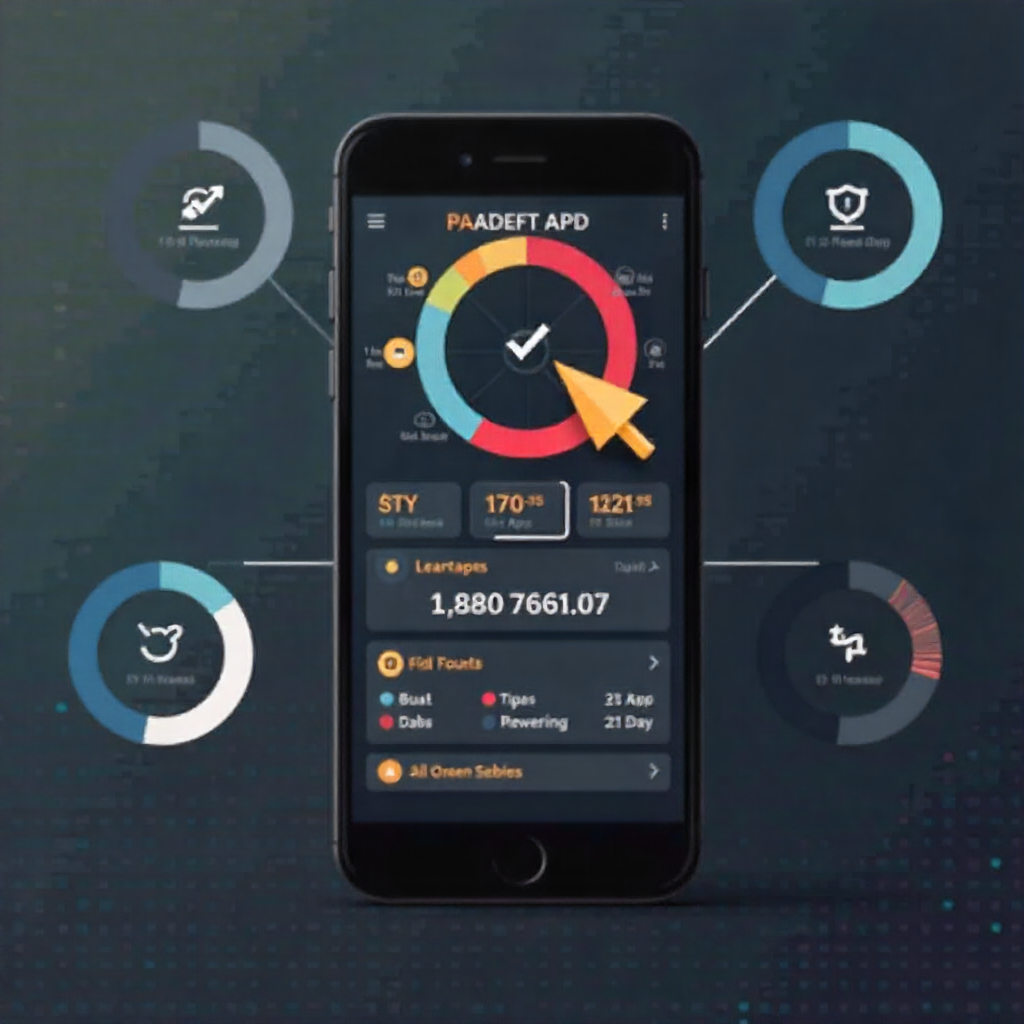
In the relentless engine room of modern software development, where the pressure to release faster is immense, quality assurance (QA) can often become a bottleneck. Disorganized spreadsheets, siloed information, and manual tracking processes lead to missed bugs, communication breakdowns, and delayed releases. In this challenging landscape, a specialized class of tools has emerged to bring order to chaos, and one that consistently stands out is the cqatest app.
But what exactly is this tool that QA teams and project managers are talking about? This complete guide will demystify the cqatest app, providing a deep dive into its purpose, its core functionalities, and the specific features that make it an indispensable asset for any team serious about software quality. We will explore how it transforms the testing lifecycle from a reactive chore into a proactive, streamlined, and data-driven pillar of the development process.
Understanding the Core Concept: More Than Just a Testing Tool
At its most fundamental level, the cqatest app is a comprehensive test management solution. It is a centralized software platform designed to manage the entire QA process, from the initial creation of a test case to the final reporting on a release’s stability. Unlike a simple automation script or a bug-tracking tool, the cqatest app serves as the single source of truth for all testing activities.
Its primary mission is to replace the inefficient and error-prone “spreadsheet and email” methodology. By providing a structured, collaborative, and integrated environment, the cqatest app ensures that every team member—from developer to tester to product manager—is aligned, informed, and working from the same, up-to-date information. It brings much-needed transparency and traceability to the complex web of modern software development.
A Deep Dive into the Key Features of the cqatest app
The value of the cqatest app is revealed in the sophistication and integration of its features. Let’s explore the core modules that form the backbone of this powerful platform.
1. Centralized Test Case Management: The Foundational Library
The first and most critical feature of the cqatest app is its robust test case management system. Every testing effort begins with a test case, and this is where the platform excels.
-
Structured Creation: Within the cqatest app, creating a test case is a detailed and structured process. Each case can include a clear title, detailed description, preconditions, and step-by-step instructions for execution. Most importantly, it mandates the definition of an “Expected Result,” forcing clarity and objectivity from the start.
-
Organizational Flexibility: Test cases are not created in a vacuum. The cqatest app allows users to organize them using customizable fields like Priority (e.g., Critical, High, Medium) and Type (e.g., Functional, Regression, Smoke, UI). This makes it easy to filter, search, and manage a library that can grow to thousands of cases.
-
Reusability and Efficiency: A well-built test case is a reusable asset. Once a test for a specific login scenario is created in the cqatest app, it can be used repeatedly in different test cycles without being rewritten, saving immense time and ensuring consistency.
2. Test Suite and Test Cycle Orchestration: From Planning to Execution
Managing individual test cases is one thing; orchestrating a full testing campaign is another. This is where the concepts of Test Suites and Test Cycles within the cqatest app come into play.
-
Test Suites for Logical Grouping: A Test Suite is a collection of test cases grouped by a common theme or functionality. For example, you might have a “User Authentication Test Suite” containing all test cases related to login, logout, password reset, and account locking. This provides logical, high-level organization to your test library.
-
Test Cycles for Real-World Execution: A Test Cycle is where planning meets action. It represents a specific, time-boxed testing effort, such as “Sprint 24 Regression” or “Release 2.5.0 Final Smoke Test.” A QA lead can select the relevant test suites or individual cases and assign them to testers for execution. The cqatest app tracks the progress of each cycle in real-time, providing a clear view of what has been tested, what passed, and what failed.
3. Intuitive Test Execution and Real-Time Logging
The execution interface of the cqatest app is designed for clarity and efficiency, minimizing friction for the tester and maximizing the accuracy of the results.
-
Streamlined Execution: When a tester opens a test cycle, they are presented with a clear list of assigned test cases. The interface makes it easy to see the steps, expected results, and any historical comments.
-
Detailed Result Logging: For each test case, the tester simply marks it as Pass, Fail, or Blocked. The power, however, lies in the details. If a test fails, the cqatest app allows the tester to instantly log a defect without switching contexts. They can add descriptive comments, attach screenshots, screen recordings, or log files directly to the test result, creating a rich, actionable record for developers.
4. Integrated Defect Tracking and Traceability
This is arguably one of the most powerful features of the cqatest app. It breaks down the traditional wall between testing and development by seamlessly integrating defect tracking.
-
From Failed Test to Bug Report in One Click: When a tester marks a case as “Failed,” they have the option to “Log a Defect.” This action typically pre-populates a new bug report within the integrated system (or via a connected tool like Jira) with vital information: the test case name, steps to reproduce, and any attached evidence. This eliminates redundant data entry and ensures developers get all the context they need from the start.
-
End-to-End Traceability: The cqatest app maintains a two-way link between the failed test case and the newly created bug. This provides complete traceability. A project manager can look at a requirement and see all the test cases written for it, and from a failed test case, see the exact bug that was logged. This answers critical questions: “Which bugs were found during the last regression test?” or “What testing was done for the feature we just need to hotfix?”
5. Powerful Analytics and Reporting Dashboards
Data transforms QA from a subjective opinion to an objective metric. The cqatest app includes comprehensive reporting and dashboard capabilities that turn raw test data into actionable business intelligence.
-
Real-Time Progress Tracking: During a test cycle, live dashboards show key metrics at a glance: the number of test cases executed, passed, failed, and remaining. This allows managers to gauge progress and make resource adjustments on the fly.
-
Historical Trend Analysis: Beyond a single cycle, the cqatest app can generate reports on test execution trends over time, defect density per module, and tester productivity. These insights are invaluable for long-term planning, helping teams identify brittle areas of the application, improve their test coverage, and demonstrate the ROI of the QA process to stakeholders.
-
Release Readiness Reporting: Perhaps the most crucial report is the Release Readiness dashboard. By aggregating data from test cycles and linked defects, it provides a holistic view of the application’s stability, helping leadership make a confident, data-backed decision on whether to ship the product.
Conclusion: Elevating QA from a Phase to a Culture
The cqatest app is far more than a simple utility; it is a strategic platform that elevates the role of quality assurance within an organization. It replaces chaos with control, ambiguity with clarity, and isolation with collaboration. By offering a centralized hub for test management, seamless execution, integrated defect tracking, and powerful analytics, it empowers teams to ship high-quality software faster and with greater confidence.
For any organization looking to mature its QA processes, reduce the cost of fixing bugs, and foster a true culture of quality, implementing a robust solution like the cqatest app is not just an option—it is an essential step forward. It is the command center that ensures quality is baked into every step of the development lifecycle, from the first line of code to the final release.